Understanding How Vincent Uses Agentic AI

Learn what agentic AI is and how does generative ai help lawyers. This guide explains how Vincent uses multi-step reasoning for AI legal workflow automation.

Summary

Learn what Agentic AI is and how does generative ai help lawyers work more efficiently. This guide explains how Vincent uses multi-step reasoning and a library of powerful tools to perform complex AI legal workflow automation, acting like an expert colleague rather than just a simple tool.

Why This is Important

Under ABA Model Rule 1.1, lawyers must maintain competence, including comprehending “the benefits and risks associated with relevant technology.” As AI becomes essential to legal practice, understanding the difference between standard AI and more advanced agentic AI will help you make informed decisions about which platforms truly enhance your capabilities.

What Makes AI "Agentic"?

The key difference is multi-step reasoning.

  • Traditional AI is like a smart intern who follows exact instructions. You need to tell it precisely what to do, step-by-step.

  • Agentic AI is like an experienced paralegal. You can give it a complex goal, and it will figure out the necessary steps, choose the right tools, and execute the plan for you.

An agentic AI must have two essential qualities: it must be equipped with tools to perform actions, and it must have the ability to reason about how to use those tools in the right order.

No Prompt Engineering Required: The power of an agentic system is that it handles the complexity behind the scenes. As a user, you don't need to be a "prompt engineer." You can focus on your legal objectives, and Vincent figures out the best way to achieve them.

How Vincent Uses Agentic AI

Vincent strategically deploys agentic capabilities where they provide the most value, transforming complex tasks into simple interactions.

1. Automatic Workflow and Tool Selection

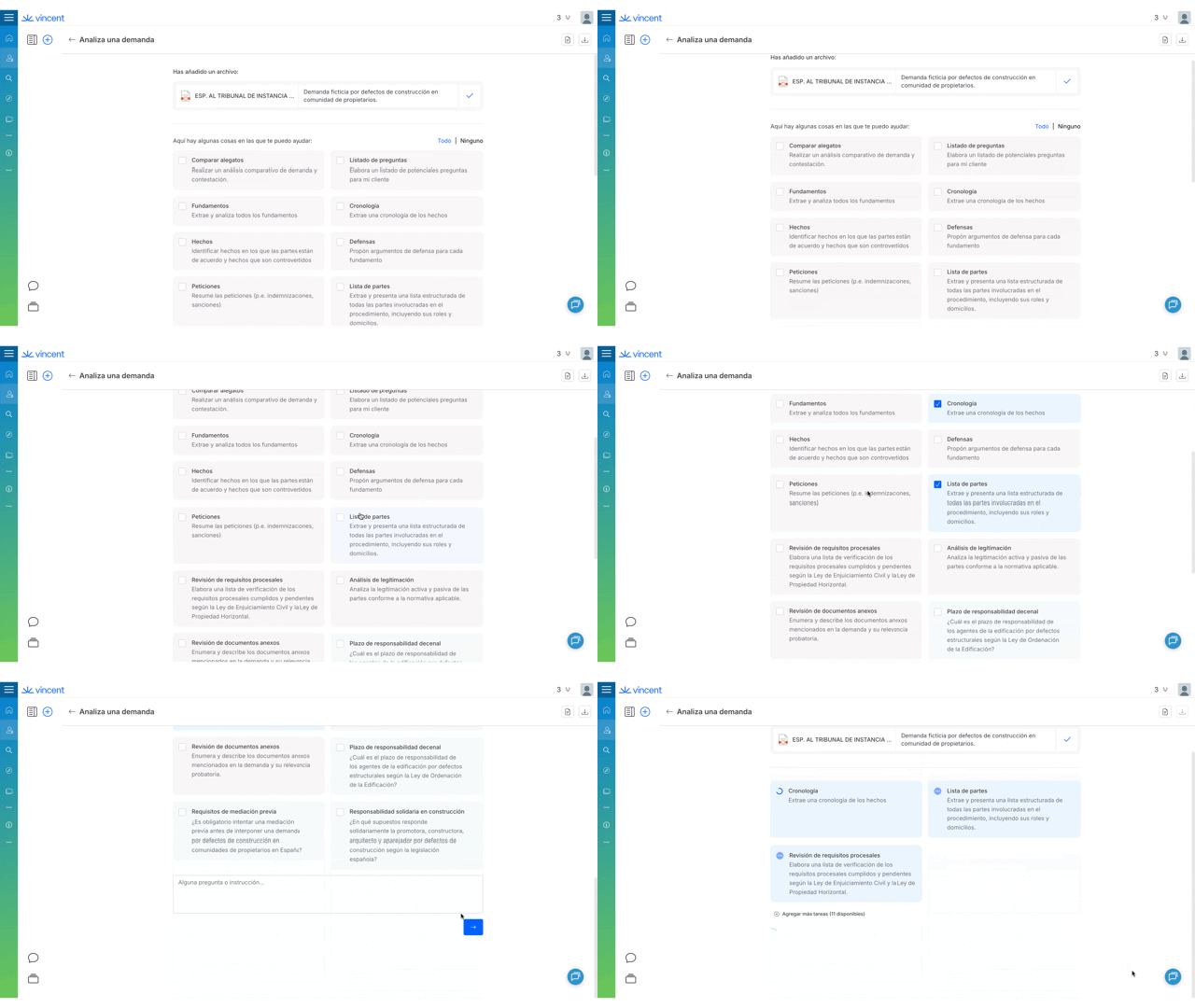
When you upload any document to Vincent’s main interface, the system analyzes what you’ve provided and automatically suggests the most relevant tools and workflows.

  • Upload a contract, and Vincent recognizes it and offers contract-specific analysis options.

  • Upload a complaint, and it suggests litigation-focused options.

This happens without you needing to navigate through menus, Vincent reasons about how to best help you based on your document.

Vincent analyzes your document and automatically suggests the most relevant workflows.
2. Intelligent Task Generation

Beyond suggesting standard workflows, Vincent uses its Agentic AI capabilities to generate custom tasks based on your specific document. It analyzes your content and proposes additional, unique ways it can assist with that particular legal matter.

3. Adaptive Analysis in Vincent Tables

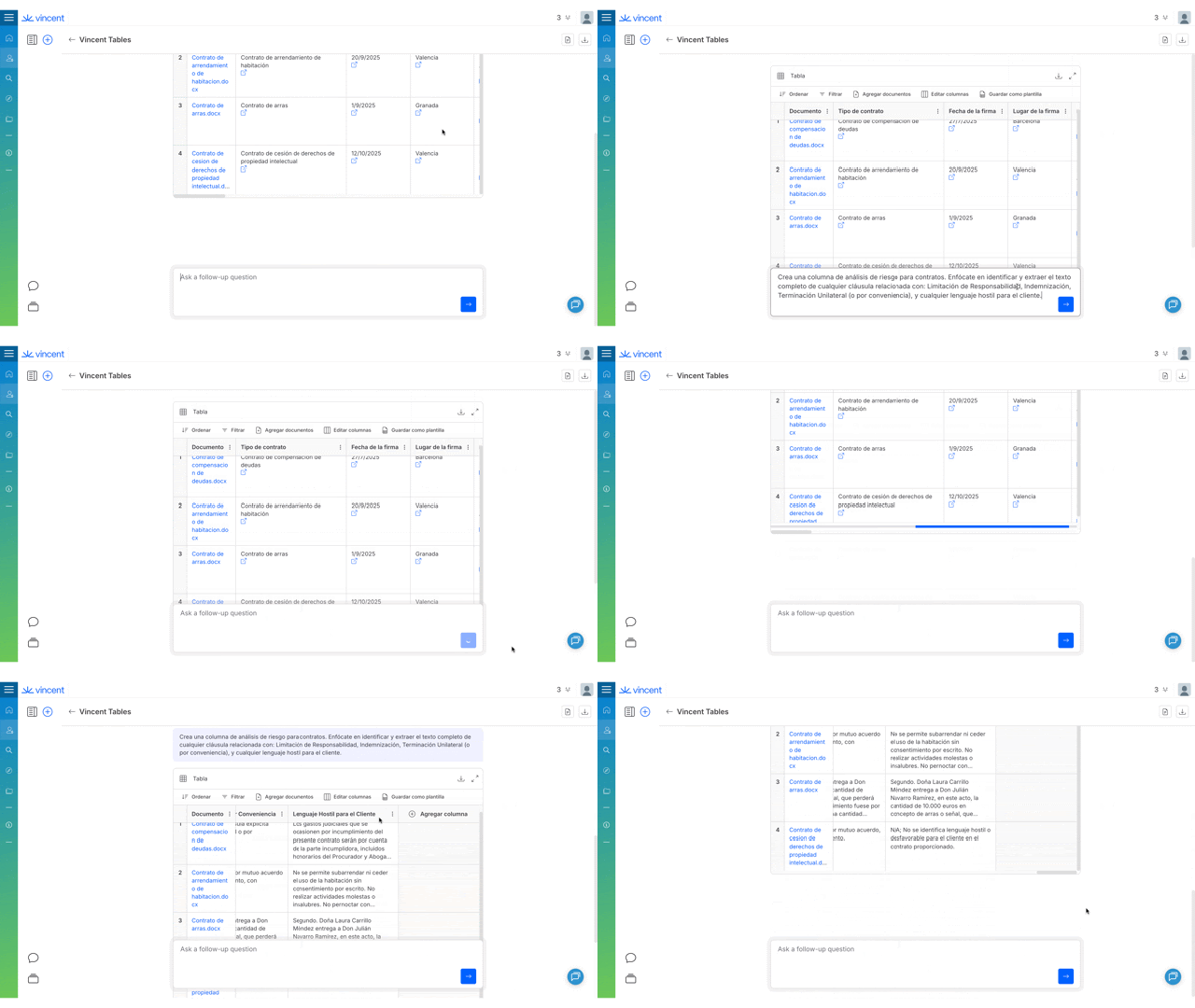
In features like the Vincent Tables workflow, you can provide a general, plain-language description of your goal (e.g., "review these credit agreements for negative covenants"). Vincent then uses its reasoning to determine the most useful questions to ask and automatically builds the analytical framework to accomplish your goal.

You describe your goal, and Vincent's agentic AI builds the analytical table for you.
Best Practices & Pro Tips

  • Trust the Initial Prompt: When you're not sure where to start, simply upload your core document to Vincent's main interface. Let its agentic capabilities guide you by suggesting the most relevant first steps.

  • Use Natural Language: Speak to Vincent as you would a colleague. Its agentic reasoning is designed to understand your goals, not just specific commands.

What's Your Next Step?

Last updated

Was this helpful?